


Green Careers Week: 7 Ways IMI Skills Competitions Are Driving Sustainability

Share this Page


As the automotive sector continues its journey towards a greener future, sustainability is becoming an increasingly important part of everyday workshop operations.
At the IMI Skills Competitions, we're not only developing the next generation of automotive talent, we're also helping competitors build the skills and behaviours that support a more sustainable industry.
This Green Careers Week, we're highlighting seven ways the IMI Skills Competitions are reducing waste, encouraging resource efficiency, and helping future technicians adopt greener ways of working.
1. Supporting the Transition to EVs
Electric vehicles are playing an increasingly important role in reducing transport emissions, creating demand for technicians with the skills to service and repair them safely.
As part of this year's competition programme, all Light Vehicle finalists will receive an IMI Level 3 Electric/Hybrid Vehicle qualification, funded by the IMI. This gives competitors a recognised qualification they can take back to their workplace, helping employers build the skills needed to support the growing number of EVs on UK roads.
For the first time, the Automotive Technology (Light Vehicle) finalists will also work on a live electric vehicle during the National Finals, gaining hands-on experience with vehicles that produce zero tailpipe emissions and can have a lower lifetime carbon footprint than traditional petrol and diesel vehicles. By investing in EV training and practical experience, the competition is helping develop the skilled workforce needed to support a cleaner, more sustainable automotive future.
2. Using 'Green' Refinishing Products
The competition continues to embrace modern refinishing technologies that support more sustainable workshop practices.
Working alongside industry partners, competitors use Glasurit 100 Line water-based paint systems, which feature lower VOC (volatile organic compound) levels and can be applied more efficiently than traditional systems. We are also incorporating UV primers and fast air-drying clearcoats, helping to reduce the amount of energy required during the repair process.
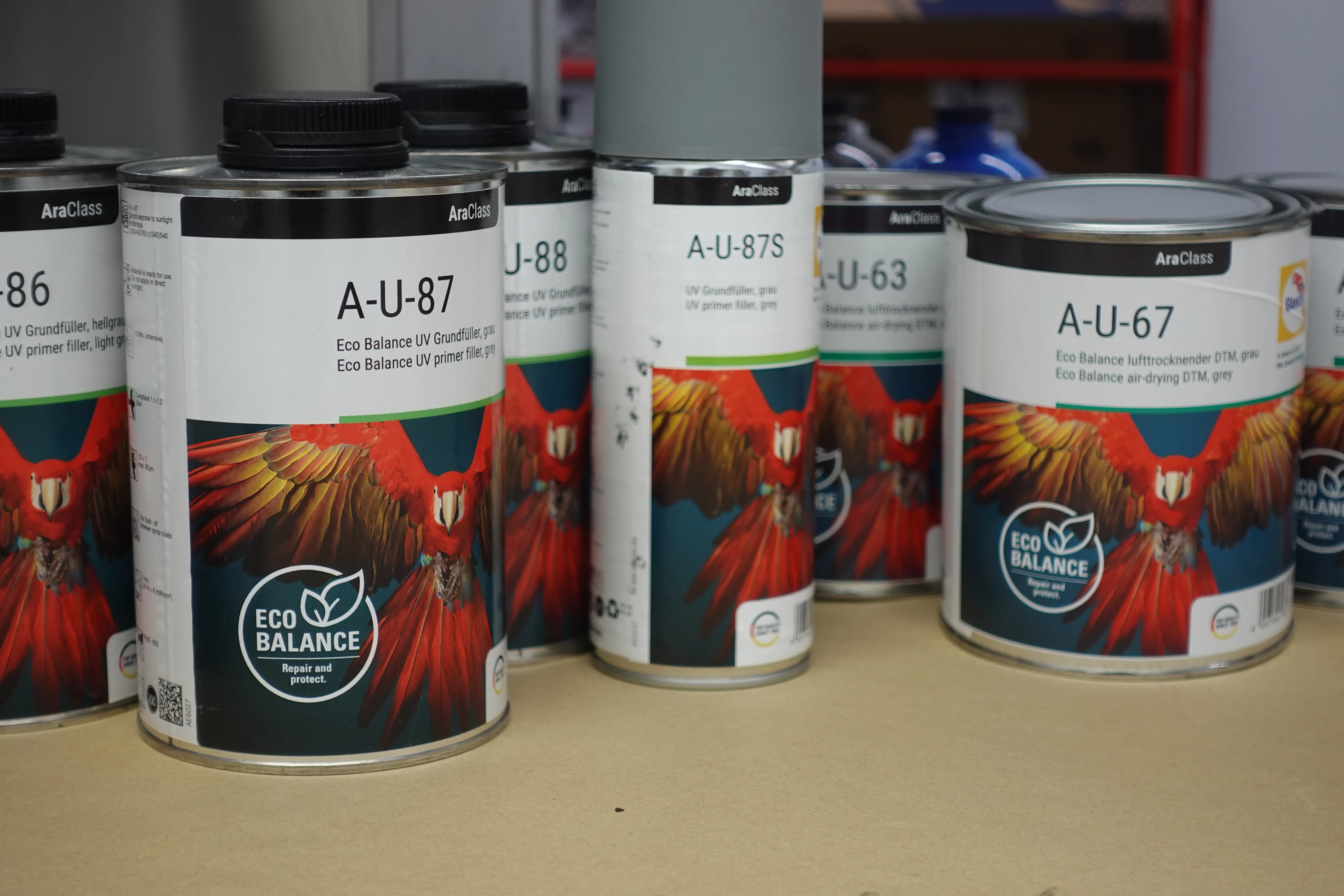
Glasurit 100 Line is widely recognised as one of the most environmentally conscious waterborne basecoat systems available globally. 100 Line keeps the environment beautiful with lower emissions compared to other paint systems and is highly efficient due to extremely short flash-off times and low energy consumption.Glasurit
These technologies reflect the products and processes increasingly being adopted by forward-thinking bodyshops across the UK.
3. Promoting Repair Over Replace
One of the most important sustainability principles in vehicle repair is simple: repair where possible before replacing.
Competition tasks are designed to challenge finalists to repair original parts using techniques such as plastic welding and structural bonding. Whether working on damaged panels or plastic bumper repairs, competitors are encouraged to restore components rather than automatically replacing them.
This helps reduce waste, minimise the demand for new parts, and avoid the environmental impact associated with manufacturing and transporting replacements.
4. Embedding Green Skills Through Industry Pre-Final Training
Ahead of the finals, competitors took part in expert-led pre-final training events delivered by leading industry partners such as Glasurit and Car-O-Liner.
These sessions covered topics including lean workshop processes, modern repair methods and lower-energy techniques that support sustainable vehicle repair. The knowledge gained doesn't just help competitors perform on the day. It can be taken back into workplaces, colleges and apprenticeships, helping to spread best practice across the wider automotive sector.
5. Paintless Dent Repair
This year, finalists will have the opportunity to take part in training with Keco Tabs on Paintless Dent Repair (PDR) and Glue Pull Repair (GPR) techniques.
Rather than replacing or refinishing damaged panels, these methods allow dents to be repaired while maintaining the vehicle's original factory finish. That means no body filler, no paint, no solvents, and no energy-intensive spray booth baking.
By promoting repair techniques that extend the life of existing vehicle components, competitors are learning skills that reduce both material consumption and energy use.
6. Giving Materials a Second Life
The sustainability mindset doesn't stop when the competition finishes.
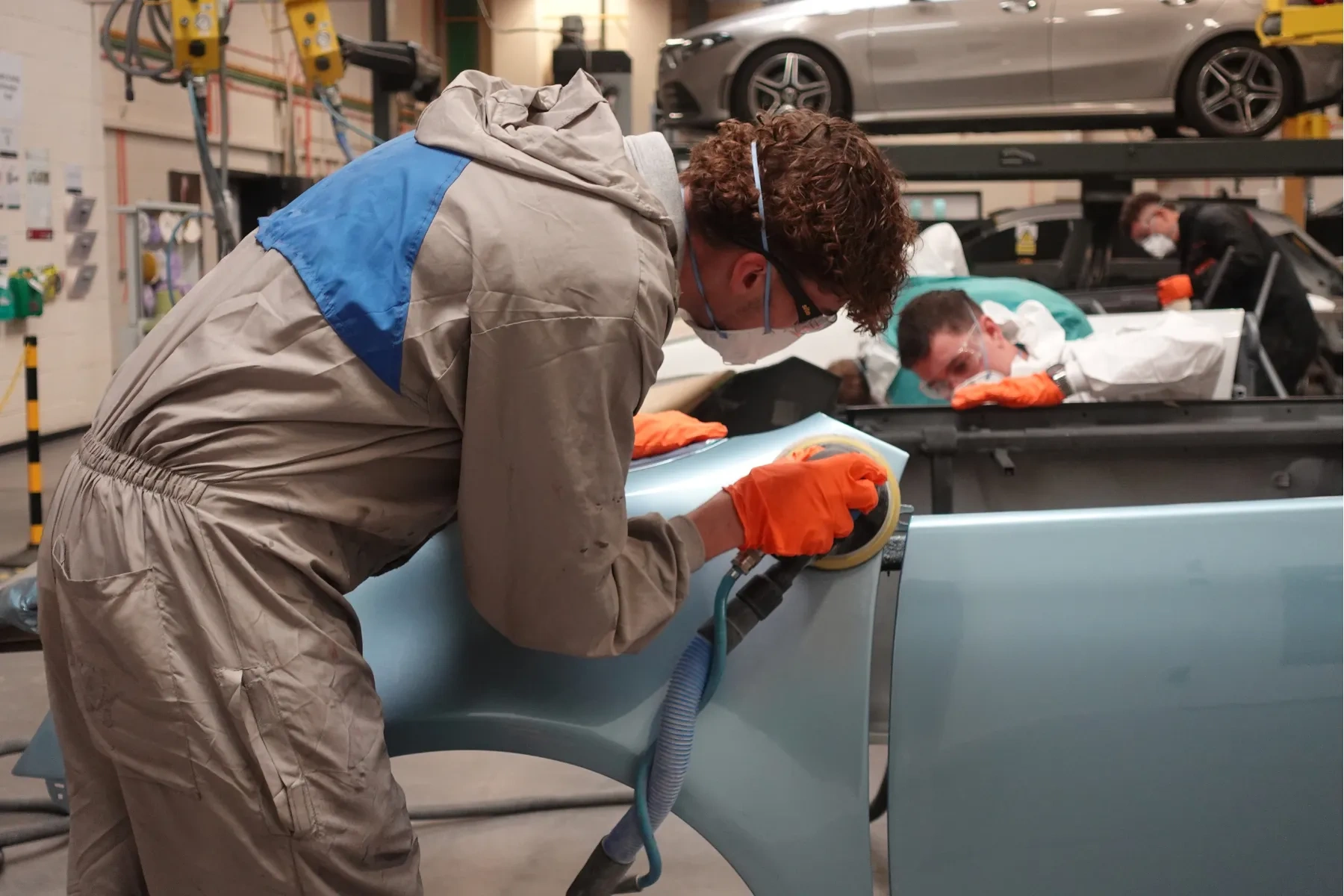
At the end of the National Finals, unused paints, abrasives, consumables and practice materials are donated to further education colleges wherever possible. This allows students to benefit from valuable learning resources while reducing waste and ensuring materials continue to support skills development long after the event has ended.Michael Massey FIMI, IMI Skills Competition Manager
It's a practical example of how collaboration across the sector can maximise value and minimise environmental impact.
7. Rewarding Efficient Working Practices
Sustainability isn't just about the products used. It's also about how they are used.
Competitors are assessed on effective material management and workshop efficiency, with marks awarded for activities such as:
- Accurate paint mixing to minimise waste
- Correct waste segregation
- Responsible disposal of materials
- Reducing overspray and unnecessary product use
- Maintaining clean and efficient working practices
By embedding these principles into judging criteria, we reinforce the importance of sustainability as a core professional skill.
Building the Skills for a Sustainable Future
The automotive industry is evolving rapidly, and the skills required by future technicians are evolving with it. Through the IMI Skills Competitions, competitors develop not only technical excellence but also an understanding of how sustainable practices can improve workshop performance, reduce waste and support the industry's environmental goals.
As we celebrate Green Careers Week, we're proud to showcase how the IMI Skills Competitions are helping to inspire the next generation of automotive professionals and equipping them with the skills needed for a more sustainable future.
Want to see these skills in action? Follow the IMI Skills Competitions as finalists prepare for the National Finals and discover how the UK's rising automotive talent is shaping the future of the sector.